
Loading...
Serving Lawton, OK and surrounding areas. (580) 350-5041
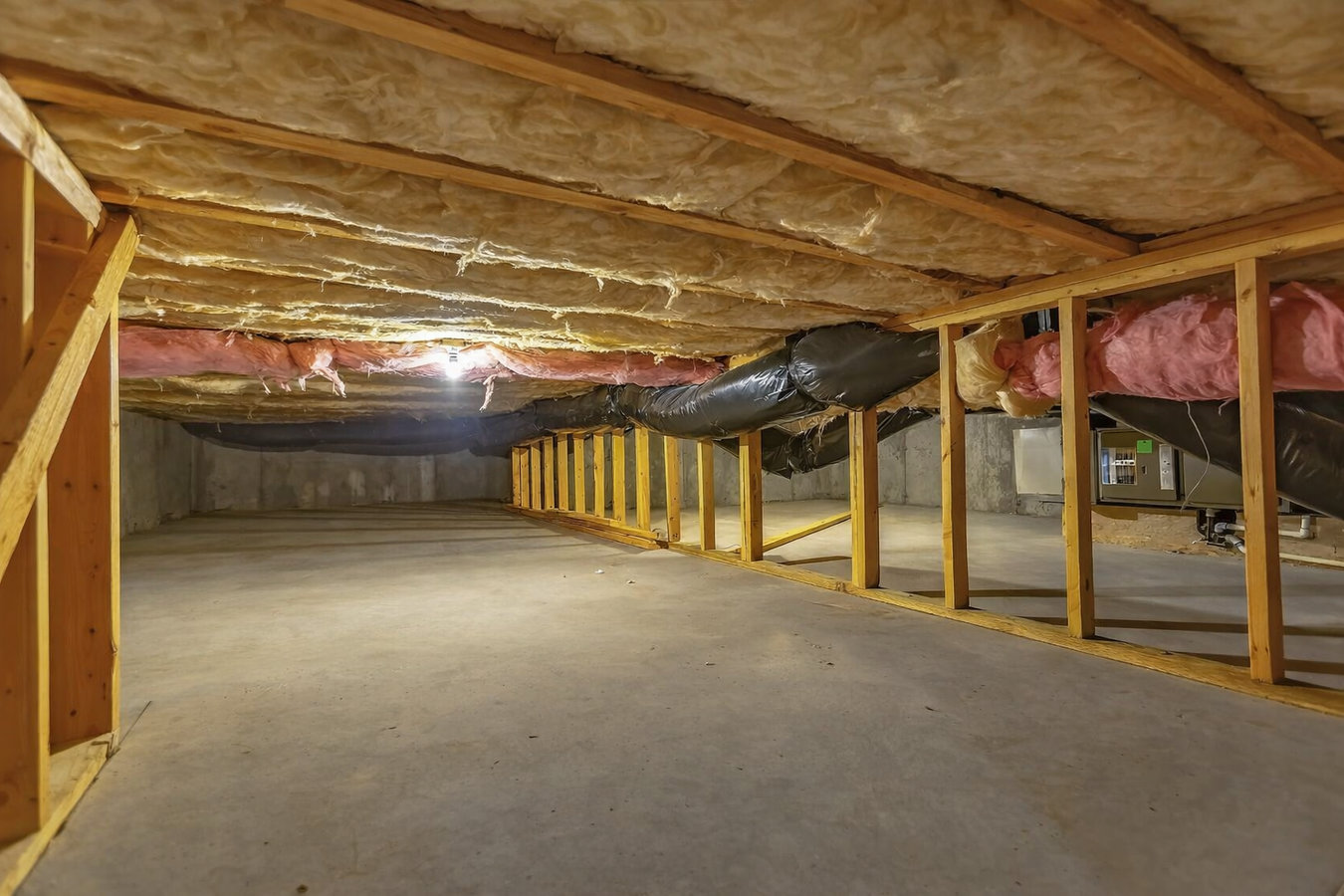
Cold floors, high heating bills, and musty smells are signs your basement is working against you. We fix that for Lawton homeowners.
Cold floors, high heating bills, and musty smells are signs your basement is working against you. We fix that for Lawton homeowners.
Basement insulation in Lawton creates a thermal barrier along your foundation walls and ceiling that slows heat from escaping in winter and entering in summer - most jobs take one to two days for a typical home. Without it, your heating and cooling system works harder than it needs to, and that extra effort shows up on your energy bill every month.
If your home is more than 30 years old, there is a good chance the original insulation - if any was installed - has settled, absorbed moisture, or simply worn out. Basement insulation works best when it is paired with proper moisture management, because trapping humidity behind insulation creates conditions where mold can quietly grow. Many homeowners benefit from combining basement work with crawl space insulation to address the entire lower level of the home in one project.
If the floor above your basement feels noticeably colder than the rest of your home during a Lawton winter, heat is escaping through an uninsulated or under-insulated basement ceiling. This is one of the most common complaints from homeowners in older Lawton neighborhoods, particularly in homes built before 1980. You should not need to wear thick socks in your own kitchen.
Lawton's late spring humidity is high enough that uninsulated basement walls often sweat - you will see water droplets or damp patches on the concrete, especially after a warm, humid day. That moisture smell is a warning sign that conditions are right for mold to develop. Addressing insulation and vapor control now is far less expensive than dealing with a mold problem later.
Lawton's temperature extremes mean an uninsulated basement is essentially a large gap in your home's thermal envelope. If your January heating bill or July cooling bill seems out of proportion to the size of your home, the basement is often part of the problem. A quick check: if your basement feels like a different climate from the rest of the house, it is working against your HVAC system.
If your basement already has insulation but it is hanging loose, has fallen away from the walls, or shows dark staining, it is no longer doing its job. Insulation that has gotten wet loses most of its ability to slow heat transfer. This is especially common in Lawton homes where original insulation was installed decades ago and never inspected since.
We insulate basement walls, ceilings, and rim joists using the material that makes the most sense for your specific situation. For foundation walls, rigid foam board is a strong choice because it does not absorb moisture and holds its shape over time. Spray foam is our go-to for rim joists and any area with irregular gaps around pipes, wires, or framing - it seals and insulates in one pass. Fiberglass batts work in certain ceiling applications where moisture is not a concern. We will walk through your basement and tell you honestly which approach will perform best before we quote anything.
Basement work often connects naturally to closed-cell foam insulation, which is especially well-suited to below-grade spaces where moisture vapor is a real concern. For homes where the basement transitions to a crawl space, we also handle crawl space insulation as part of the same project, so the entire lower level of your home is treated consistently.
Best for finished or unfinished basements - rigid board or spray foam applied to interior foundation walls to stop heat loss at the source.
Ideal for older homes with cold drafts near the floor - spray foam cut-and-cobble or batt fills the small but surprisingly leaky rim area where floors meet the foundation.
Suits homeowners with unheated basements who want warm floors above - fiberglass or mineral wool between floor joists keeps living spaces comfortable.
The right fit when your home's lower level is partly basement and partly crawl space - we treat the full perimeter for consistent results.
Lawton sits in a climate zone where summer temperatures regularly push past 100 degrees and winter nights can drop below 20 degrees. That wide swing means your basement walls are constantly exposed to temperature extremes on the outside while your living space expects stability on the inside. Much of Lawton and the surrounding Comanche County area also sits on clay-heavy soils that swell when wet and shrink when dry. This movement can create small cracks in foundation walls over time, which lets moisture work its way in - and moisture behind insulation is a problem that gets worse silently before you notice it.
A significant share of Lawton's housing stock dates from the 1950s through the 1970s, when Fort Sill drove rapid residential construction. Homes from that era were built to the standards of their time, which means little to no basement insulation by today's expectations. We see this regularly when working with homeowners in Duncan and Anadarko, where the same era of housing stock means the same pattern of under-insulated lower levels that have never been updated.
When you reach out, we ask a few basic questions - the approximate size of your basement, whether it is finished or unfinished, and whether you have had any water issues. We respond within one business day and can usually schedule a site visit within a few days of your first contact.
We walk through your basement and check walls, ceiling, rim joists, and any crawl space areas for moisture, foundation cracks, and existing insulation condition. The visit takes 30 to 60 minutes, and you receive a written estimate - no surprise charges - within a day or two.
Your main job before installation day is moving stored items away from the walls - typically two to three feet of clearance is all we need. That is genuinely all most homeowners have to do to prepare. We confirm your start date and handle any permit requirements before the crew arrives.
Most Lawton basement jobs take one full day. The work stays in the basement and will not disrupt the rest of your home. Before the crew leaves, we walk you through what was done, point out anything we found during the job, and clean up completely.
Free estimate, no obligation. We respond within one business day.
(580) 350-5041We have insulated basements and crawl spaces across southwest Oklahoma for years. You get a written estimate and a walkthrough of the finished work before signing anything - we encourage it.
We check for moisture and foundation cracks on every basement assessment before recommending materials. In Lawton, where clay soils shift and spring humidity is high, this step is not optional - it is what separates work that lasts from work that fails.
Many Lawton homes built in the 1950s through 1970s near Fort Sill have little or no original basement insulation. We have worked on dozens of homes from that era in this area and know what those foundations typically need - and what they do not.
When a permit is required, we pull it before work starts and coordinate any required inspection with the City of Lawton Community Development office. That inspection is your independent check that the job was done correctly - a paper trail that matters when you sell.
Every one of those points adds up to a straightforward experience: you get a clear assessment, an honest written quote, and work that holds up through Lawton's heat, cold, and everything the Oklahoma climate throws at a foundation.
The most moisture-resistant insulation option - especially well-suited to below-grade walls and rim joists in Lawton basements.
Learn moreWhen your lower level includes both a basement and a crawl space, we treat the full perimeter together for consistent coverage.
Learn moreLawton winters arrive fast - lock in your installation before heating season starts and your energy bills climb again.