
Loading...
Serving Lawton, OK and surrounding areas. (580) 350-5041
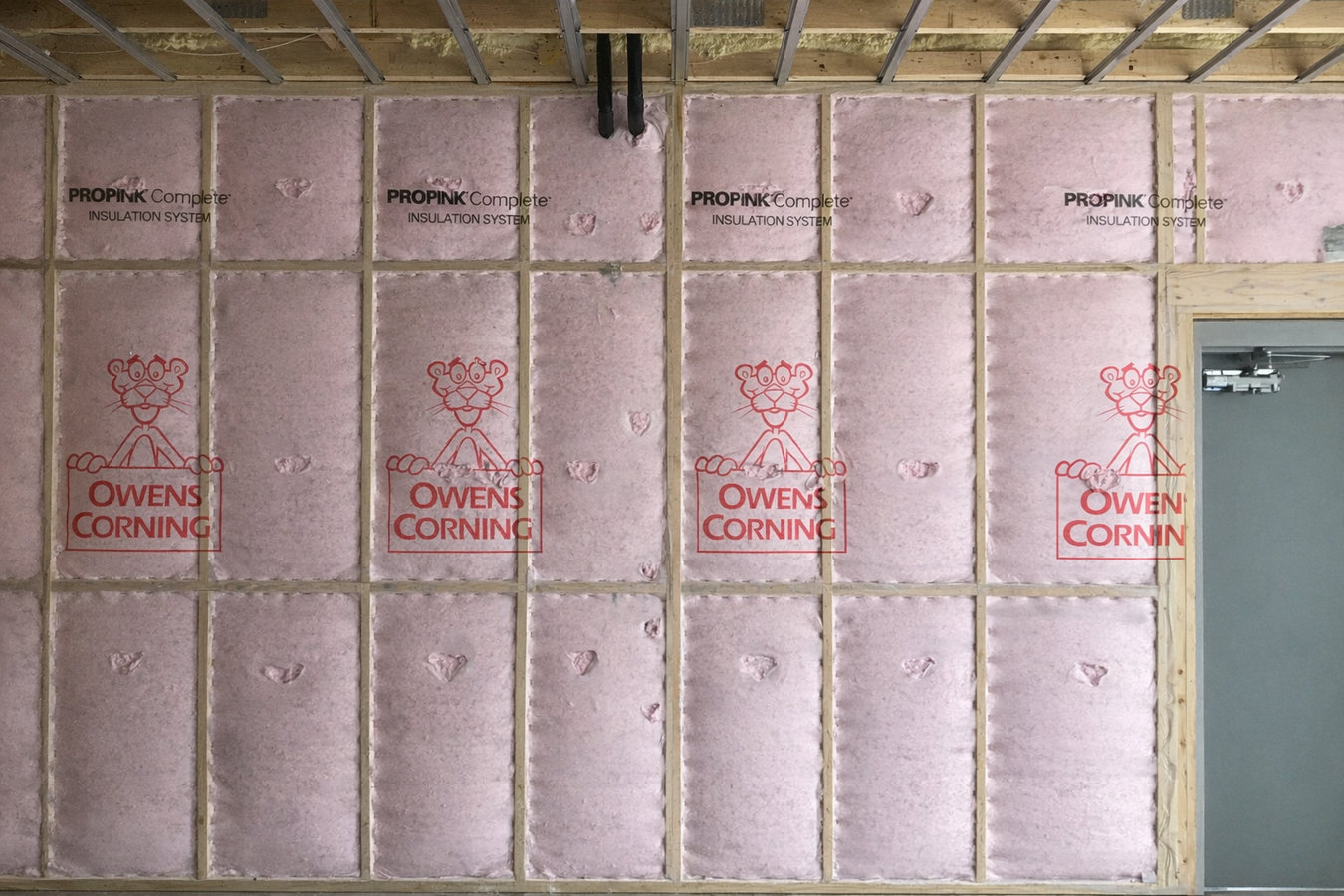
Thin or missing wall insulation turns your AC into an afterthought. We fill your walls without tearing them apart - and your home stays cooler for less.
Thin or missing wall insulation turns your AC into an afterthought. We fill your walls without tearing them apart - and your home stays cooler for less.
Wall insulation in Lawton slows heat moving through your exterior walls in both directions - most blown-in jobs on a single-story home finish in one day without opening a single interior wall. If your west-facing bedroom never cools down in August or your living room stays drafty all January, the walls themselves are almost certainly part of the problem.
A large share of Lawton homes were built in the 1950s through 1970s, and many of those exterior wall cavities were left hollow or filled with material that has long since settled and degraded. Wall insulation is one of the few upgrades that pays you back on your energy bill every single month. It also makes a real difference in noise - homes near busy roads in Lawton often feel noticeably quieter after the walls are properly filled. If you suspect your attic is part of the problem too, pairing wall work with air sealing services gets you the most complete result.
Lawton summers are brutal, and your air conditioner should not have to run constantly just to keep the house at a normal temperature. If your cooling bills climb sharply in June and July despite normal thermostat habits, your walls may be letting heat pour in faster than your system can push it out. That is a strong sign the insulation in your exterior walls is thin, missing, or has broken down over time.
On a hot summer afternoon or a cold January night, put your hand flat against an interior wall that backs up to the outside. If it feels noticeably warm in summer or cold in winter, heat is moving through that wall with very little resistance. Well-insulated walls should feel close to room temperature no matter what is happening outside.
Given how much of Lawton's housing stock dates to the mid-20th century, this is one of the most common situations contractors see here. Homes built before modern energy codes were often constructed with hollow wall cavities or minimal fill. If you have never had insulation work done and your home is more than 40 years old, there is a reasonable chance your walls are working against you every day.
If your home has gotten noticeably louder over the years - more traffic noise, more wind sound coming through the walls - that can be a sign that insulation has settled, shifted, or degraded. Insulation that is doing its job absorbs a meaningful amount of sound. When it starts to fail, the walls get thinner in more ways than one.
For homes with finished walls - drywall already up and painted - we use the blown-in method. Small holes are drilled at measured intervals along the exterior, insulation is pumped into each wall cavity, and the holes are patched and painted when the job is done. The result looks the same as before the crew arrived. This approach works well with fiberglass or cellulose material, and we pair it with blown-in insulation throughout the rest of the home for a consistent thermal envelope. For open walls during a renovation or new construction, fitted batts go in between studs before drywall closes everything up.
We also recommend combining wall work with air sealing services where possible. In Lawton's wind-driven climate, insulation that stops heat transfer but does nothing about air movement through gaps and cracks leaves real money on the table. Doing both together is the most effective approach and often the most cost-efficient way to schedule the work.
Best for existing homes where walls are already drywalled - no major disruption, no renovation required.
Ideal for gut renovations or new construction where stud bays are accessible before drywall goes up.
Moisture-resistant material suited to Oklahoma's humid summer months and exterior wall applications.
Recycled paper-based fill that packs well into irregular cavities and delivers solid thermal performance.
Lawton sits in a climate zone where summer highs regularly push past 100 degrees and winter cold snaps can drop below 10 degrees - that 90-plus degree swing means your walls are under constant thermal stress. The federal government recommends higher insulation levels for this region than the national average, so if your home was built to minimum code decades ago, it is almost certainly under-insulated by today's standards. Oklahoma is also one of the windiest states in the country, and Lawton's position on the open plains makes wind-driven air infiltration a year-round problem. A good wall insulation job here addresses heat transfer and, where possible, closes the small gaps that let wind push air through the structure. For homeowners in Anadarko and Altus, the same conditions apply - older housing stock, the same Oklahoma wind, and the same case for upgrading walls that have never been touched.
A large share of Lawton's neighborhoods were built during the post-World War II military housing boom tied to Fort Sill, and many of those homes from the 1950s through 1970s were constructed with hollow wall cavities or minimal fill that has since degraded. In that era, builders simply did not have today's energy standards to follow. The result is a city where a meaningful number of homes are losing heat and cooling through walls that have barely been touched in 40 or 50 years. The good news is that blown-in insulation can be added without tearing out a single wall - and the improvement in comfort and monthly costs is noticeable within the first full season. You can read about federal tax credit options for qualifying improvements at IRS.gov.
We will ask a few quick questions about your home - its age, size, and the problems you have been noticing. We reply within one business day and most initial visits are scheduled within the week.
A crew member walks your home, checks exterior walls, and may use a small probe or thermal camera to confirm what is - or is not - inside your wall cavities. This visit typically takes 30 to 60 minutes.
After the assessment you get a written estimate that spells out method, scope, and total cost. No obligation. Ask anything - we will walk you through it before anyone picks up a drill.
For blown-in jobs, the crew works from the exterior - small holes drilled, cavities filled, holes patched and painted. A standard single-story home is typically done in one day. We walk the finished work with you before leaving.
Free estimate, no obligation. We reply within one business day.
(580) 350-5041Most of the homes we work on in Lawton were built between the 1950s and 1980s - exactly the era that was built with hollow or minimal wall insulation. We know what to expect inside those walls and how to fill them right the first time.
We hand you a written estimate that covers method, material, areas treated, and total cost before a single hole is drilled. No verbal agreements, no add-ons after the fact. You approve every detail in writing.
After blown-in installation, every hole is plugged, patched, and painted to match. We have seen the patch jobs that other crews leave behind - ours looks like the work was never done. Ask to see photos of past projects before you commit to anyone.
We serve homeowners throughout southwest Oklahoma - Lawton, Duncan, Anadarko, Altus, and nine more communities. Local crews who know the climate, the housing stock, and the conditions that make wall insulation a real priority in this part of the state. Installer training standards are set by organizations like the North American Insulation Manufacturers Association.
Every wall insulation job we take on comes with a clear written estimate, a crew that respects your home, and a final walkthrough before we leave. In a market where standards vary, we believe the work should speak for itself - and the patch job on your walls is the last thing you see before we pack up.
Close the gaps that let wind push air through your home's shell - often the best companion to new wall insulation.
Learn moreLoose-fill insulation blown into attics and walls to add depth and coverage where existing insulation has settled.
Learn moreSummer scheduling fills fast - lock in your date before the heat hits and the calendar closes.